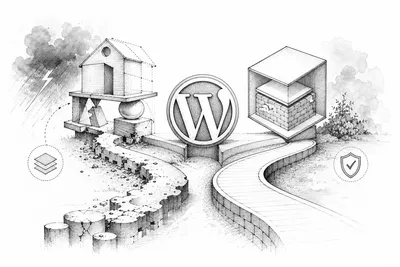
If a website only gets attention when something breaks, the real question is usually not whether it can be fixed. It is how often the same kind of problem is likely to happen again. For a small brochure site with little change and low business risk, occasional fixes may be enough. For a site that depends on enquiries, search visibility or regular updates, ongoing website management is usually the better choice.
When occasional fixes are enough
Ad hoc support can work when the site is genuinely low risk:
- it is small and mostly static
- it does not take bookings, payments or heavy form submissions
- content changes are rare
- a day or two of downtime would not seriously affect the business
That is common for placeholder sites, very early-stage businesses and sites that are not central to lead generation. In that situation, paying for full management every month may be unnecessary.
When ongoing management starts to make sense
The balance changes once the website carries real business risk. At that point, waiting for something to fail is no longer a sensible maintenance plan.
Typical problems include:
- contact forms stop working and enquiries disappear
- plugin or theme updates break layouts or functionality
- security issues go unnoticed
- pages drift out of date
- speed, indexing or technical SEO problems build up because nobody is checking them
For a local service business, a website is often not just an online leaflet. It is part of the sales process. Once it is doing that job, it needs regular attention. That is the kind of work covered by ongoing website management: keeping the site stable, secure and usable without turning every month into a rebuild.
A simple test: what would a bad week cost?
A practical way to decide is to ask what a few days of trouble would actually cost.
If the site broke for three days, would that mean a few missed messages, or would it mean delayed quotes, lost bookings and extra admin?
If the answer is “not much”, occasional support is probably fine.
If the answer is “a lot”, ongoing management is the safer option. That applies even to modest sites. A builder site, a trades website or a small professional practice may only have a handful of pages, but those pages still need to stay live, secure and usable.
What management should actually cover
Good management is not just “doing updates”. It should include the routine checks that prevent small issues turning into business problems:
- software updates, followed by checks that the site still works properly
- backups
- security monitoring
- uptime and basic performance checks
- content changes when needed
- SEO maintenance where it is relevant to the site
That scope is explained further in what ongoing website management should actually include.
For WordPress sites, this matters even more because updates can create compatibility problems between plugins, themes and core files. That does not mean every update is risky, but it does mean updates should be handled carefully rather than left completely unattended. More detail is covered in why WordPress sites keep breaking after updates.
When to move from fixes to management
A move from occasional support to ongoing management usually makes sense when one or more of these apply:
- the site brings in regular enquiries
- updates are becoming more frequent
- the site has already had avoidable problems
- nobody in the business is checking for issues early
- downtime would be awkward, expensive or damaging
If that sounds familiar, reactive fixes are already costing more than they appear to. The repair bill is only part of the cost. There is also lost time, disruption and the work that never arrives because the site was not working properly.
If the site is still very simple, that does not automatically mean monthly management is required. But once the website is part of how work comes in, routine maintenance is usually the safer and cheaper option in the long run.