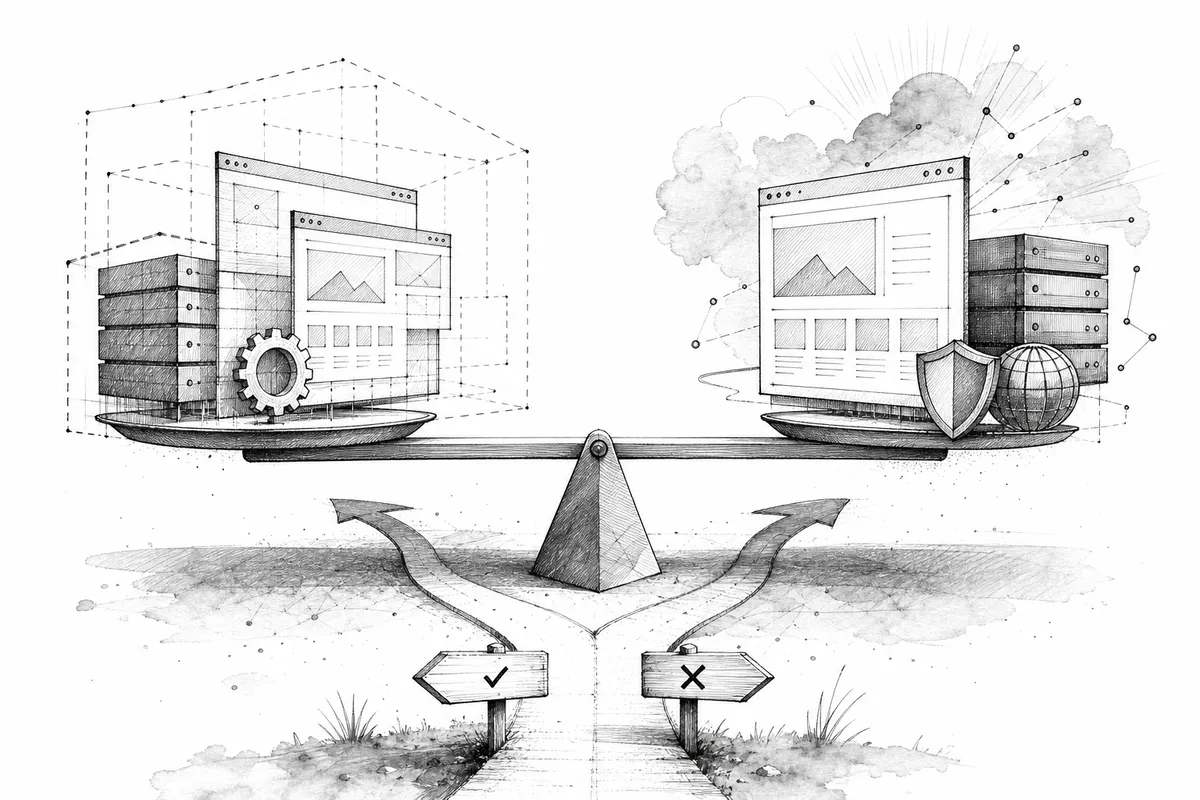
A staging site is worth having when a WordPress update could break bookings, enquiries, payments or another part of the site that brings in business. It is usually overkill for a very simple brochure site with few plugins, a stable theme and rare changes.
A staging site is just a private copy of the live website used for testing. Updates can be checked there first, so a plugin conflict, theme change, broken layout, failed form or checkout problem does not reach customers. That is the real job of staging: reducing the risk of making the live site unusable in front of visitors.
When a staging site is the sensible choice
A staging site usually makes sense if the website has any of these:
- WooCommerce or another checkout flow
- online bookings or appointment scheduling
- membership or login areas
- custom forms that must keep working
- several plugins that depend on one another
- a custom theme or heavy theme customisation
- regular content or functionality updates
Example: a WooCommerce shop with payment, shipping and stock plugins should not be treated like a brochure site. A small change to a plugin or theme can affect checkout, and that can mean lost sales.
Example: a local service business site with a booking form, quote form and a few plugins has fewer moving parts than a shop, but it still has enough to justify testing updates away from the live site.
If a broken update would cost enquiries or sales, staging first is the safer decision.
When staging is probably overkill
A staging site adds process, and process has a cost. For a very simple site, that cost is often greater than the benefit.
Staging is often unnecessary when the site is:
- a small brochure site with a handful of pages
- using a stable theme with minimal custom code
- running only a few well-behaved plugins
- updated rarely
- mostly changed for text and image edits rather than functionality
In that situation, careful live updates, sensible timing and regular backups may be enough. A backup is still essential, but it is not the same as staging: a backup helps restore the site after something goes wrong, while staging helps catch the problem before customers see it.
That difference matters. A backup does not prevent a broken update from affecting enquiries for hours or days. It only gives a way back after the fact.
The practical rule for a small business owner
If a failed update would interrupt revenue, damage trust or stop people from contacting the business, use staging.
If the worst likely outcome is a minor visual issue on a low-risk brochure site, staging may be more complexity than value.
Sites often cross the line from occasional fixes into proper management when updates start affecting functionality rather than just appearance. If that sounds familiar, ongoing website management is usually the better fit than piecemeal fixes.
Staging also only works as part of a wider process. Updates still need checking, backups still need to exist, and the site still needs monitoring after changes. That broader picture is covered in what ongoing website management actually includes.
If a site has already broken after updates, the issue is usually not bad luck. The common reasons are explained in why WordPress sites keep breaking after updates and how to stop it.